There are a few things that have fascinated me about seaplane flying. Firstly, there is no runway, and they usually take off from areas where there is a lot of other activity on the water i.e. boats, kayaks, tourists pottering around in electric boats…
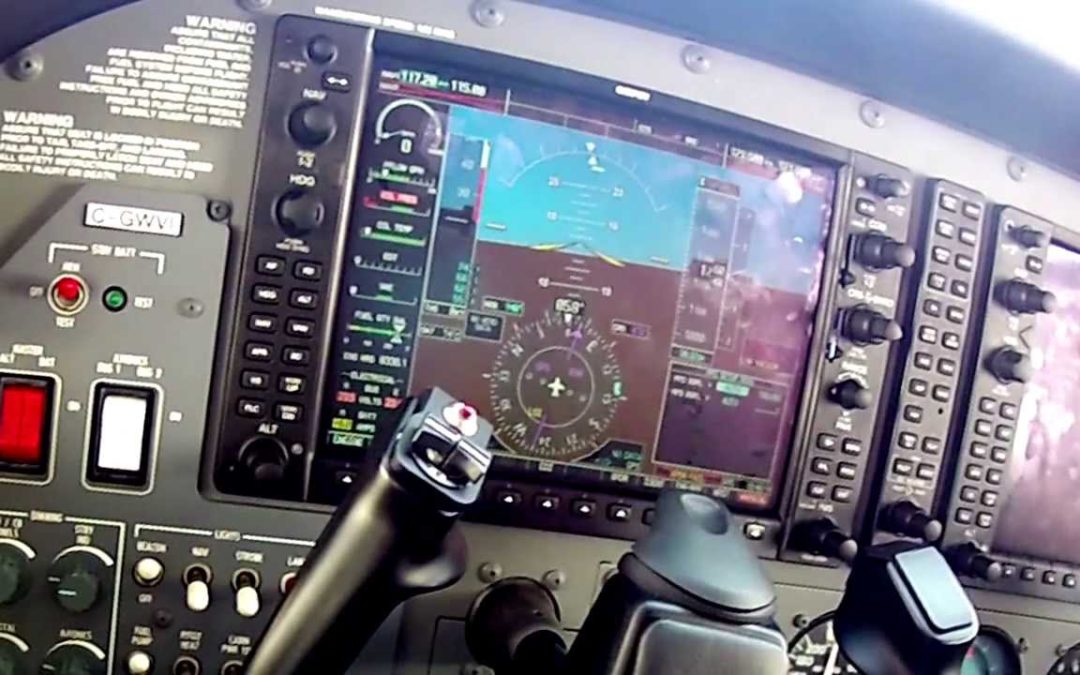
The key to the delivery of electrical power is the alternator (or generator) in most cases, so knowing what it does, and what to do if you suspect a problem, can be valuable when trouble shooting flashing lights and popping circuit breakers.
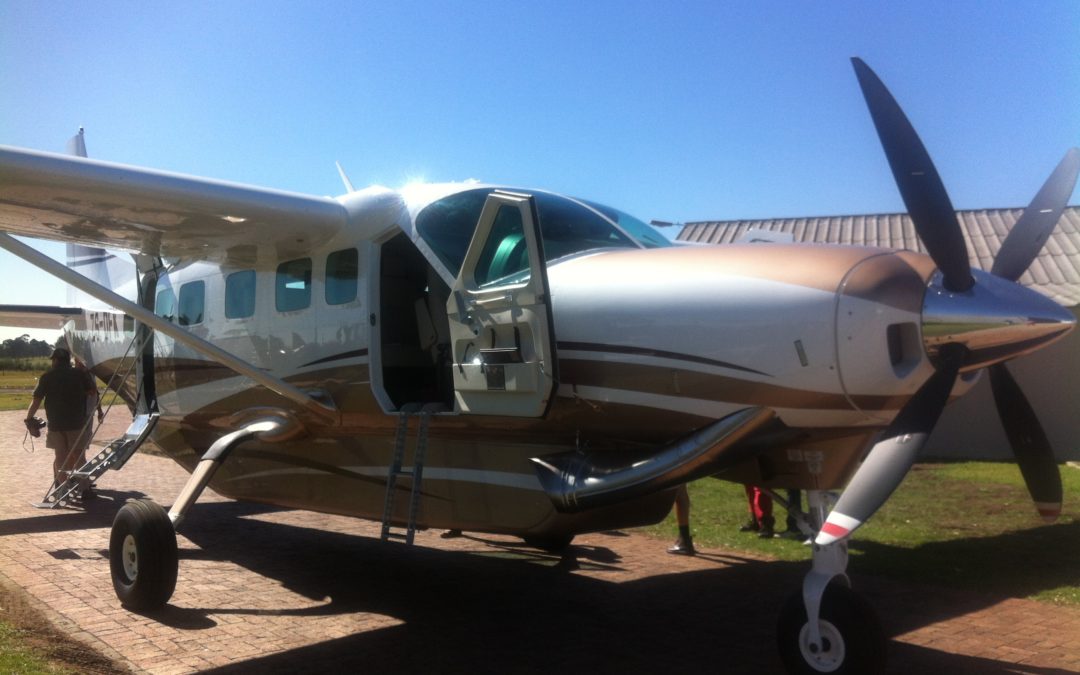
Having your CG either closer to the forward limit or closer to the rear limit, can have it’s benefits, depending on the stage of flight, let’s have a look…

How does a heavier aircraft perform in the glide? Well, if you were to find yourself on top of a rooftop, and dropped two items, let’s say a brick and a paper plate, from exactly the same height, in the same direction (down) and at the same time, then what would happen?
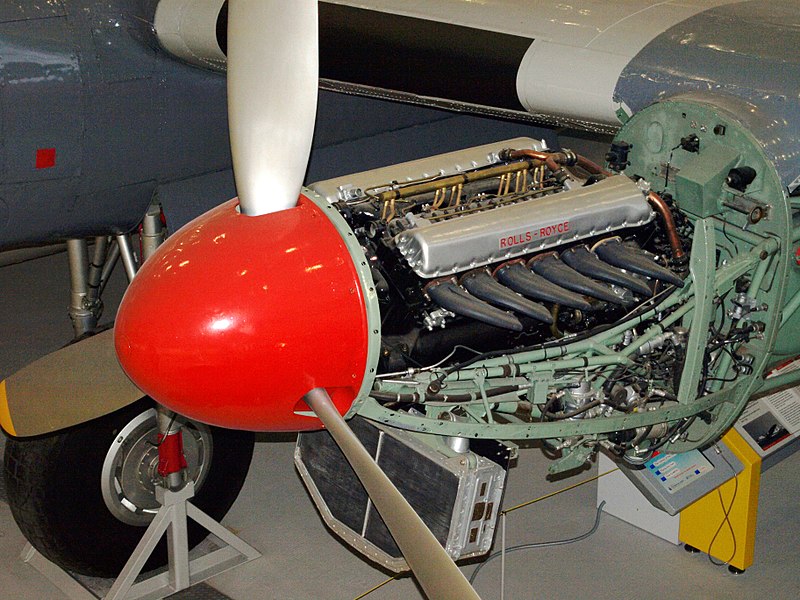
Rough running engines are never a good sign, but ignoring the problem will not make it go away. Instead, having some idea of what might be causing those snap, crackle and pop noises, could help you solve a problem which might not require the services of an inflight aircraft mechanic.
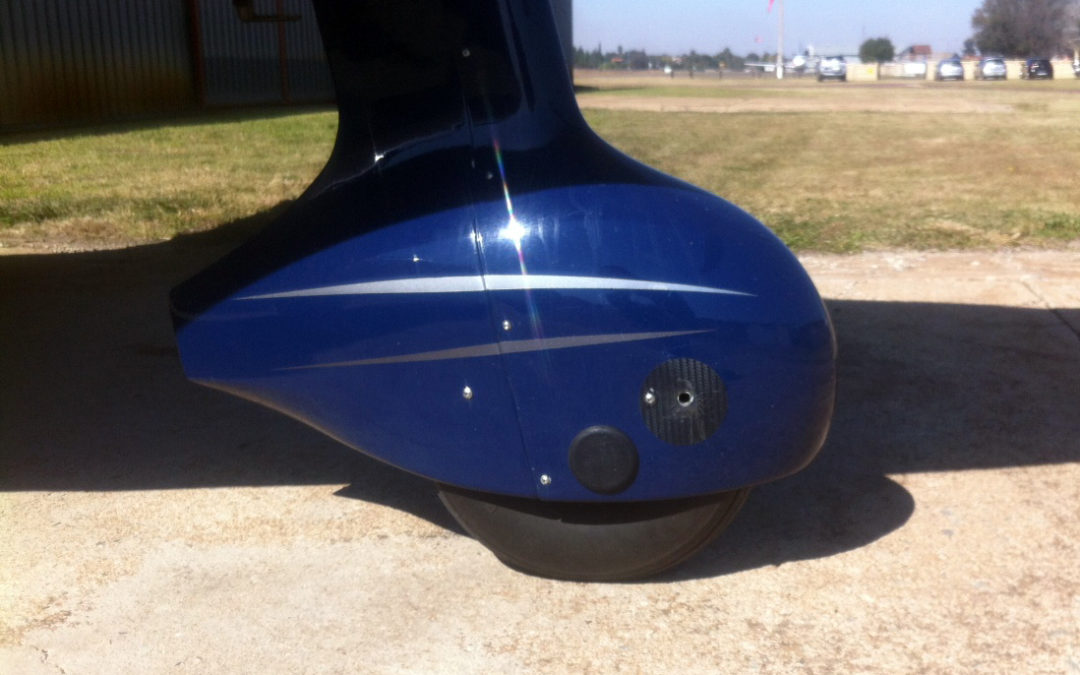
While it might just be a little laziness, or a seemingly less important part of your pre-flight, when fuel and oil take precedence, it seems that checking tyre pressure is often accomplished with an eyeball and quick kick. So how should you check the tyre pressure, and what happens if your tyre pressure is too low or too high?